

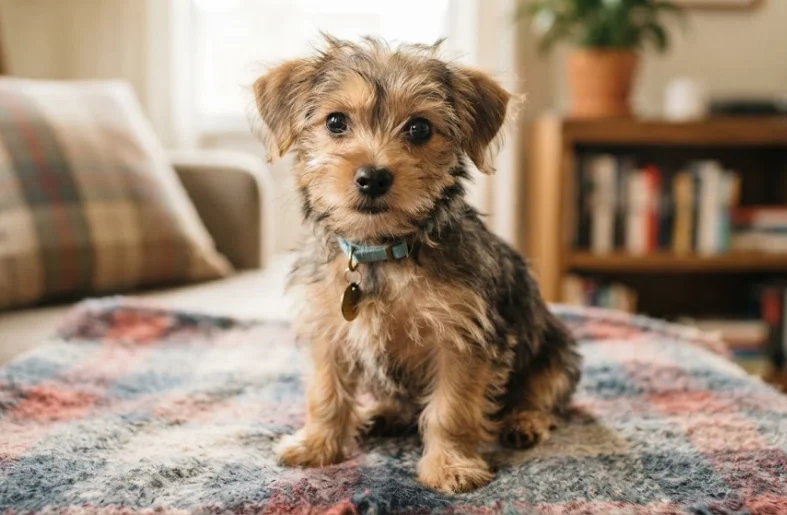
A Yorkie mix combines a Yorkshire Terrier with another breed, creating a small companion whose traits can vary considerably. Many inherit an affectionate personality, alert nature, and compact build from their terrier parent. Their exact size, coat, energy level, and temperament also depend heavily on the other parent breed.
These dogs can fit apartments, families, singles, and older owners when their individual needs match the household. Still, mixed-breed puppies are less predictable than dogs bred to an established breed standard. Meeting the parents and learning their health histories can provide more useful clues than a designer name alone.
Direct answer: A Yorkie-cross dog is usually small, affectionate, alert, and highly attached to its family. Adult size and coat type depend on the second parent. Popular combinations include Morkies, Shorkies, Chorkies, and Yorkipoos. Prospective owners should expect regular grooming, consistent training, dental care, exercise, and routine veterinary visits.
Yorkie Mix Quick Facts
| Feature | What U.S. owners should know |
|---|---|
| Parentage | Yorkshire Terrier crossed with another breed |
| Typical size | Usually small, but the second parent affects adult weight |
| Temperament | Often affectionate, alert, curious, playful, and confident |
| Coat | May be straight, silky, wavy, curly, or thicker |
| Shedding | Varies by cross and individual dog |
| Exercise | Daily walks, play, and mental stimulation |
| Training | Positive, consistent training works best |
| Grooming | Often moderate to high |
| Health | Depends on genetics from both parents |
| Best home | A household prepared for grooming, companionship, and training |
What Is a Yorkie Mix?
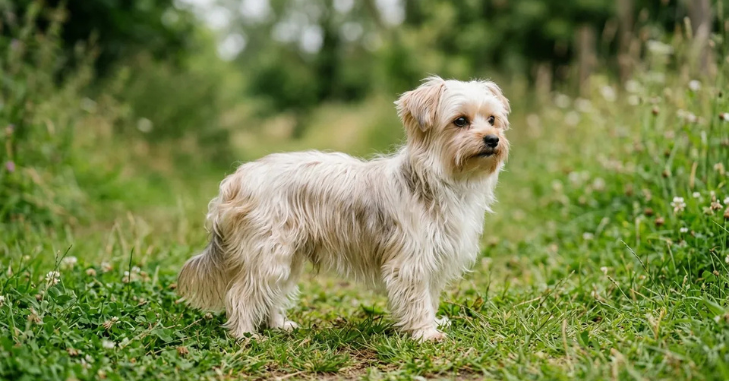
The term Yorkie mix describes any dog with Yorkshire Terrier ancestry and at least one other breed. It does not describe one standardized breed with guaranteed appearance or behavior. Two puppies with the same named cross can therefore develop different coats, sizes, and personalities.
The American Kennel Club recognizes the Yorkshire Terrier as a purebred toy dog. Its standard describes a compact dog weighing no more than seven pounds. Mixed descendants do not follow that same breed standard because the other parent’s genetics influence the result.
That genetic variation matters when you choose a puppy or rescue dog. Avoid assuming a particular designer name guarantees low shedding, a precise weight, or a fixed personality. Evaluate the individual dog, both parents when possible, and the household environment instead.
Popular Yorkshire Terrier Crosses Compared
Several small companion breeds are commonly crossed with the Yorkshire Terrier. Each pairing can shift the likely coat, weight, activity level, and personality. These estimates describe tendencies rather than guarantees.
| Mix | Other parent | Common traits to expect |
|---|---|---|
| Morkie | Maltese | Small, affectionate, silky-coated, people-focused |
| Yorkipoo | Poodle | Intelligent, playful, often wavy or curly-coated |
| Shorkie | Shih Tzu | Companion-oriented, confident, long-coated |
| Chorkie | Chihuahua | Tiny, alert, energetic, strongly attached |
| Dorkie | Dachshund | Playful, curious, potentially stubborn |
| Snorkie | Miniature Schnauzer | Alert, lively, often slightly larger |
| Yorkie-Pom | Pomeranian | Energetic, fluffy, social, often vocal |
A Morkie generally combines two small companion breeds, making a petite adult more likely. A Yorkipoo can vary more because Poodles themselves come in different sizes. Shorkies also tend to remain small, although individuals can inherit a broader Shih Tzu build.
The best choice depends less on the crossbreed’s nickname than its parents. Ask about both parents’ adult weights, behavior, coats, and medical histories. Those details provide better expectations than an advertisement promising a particular appearance.
How Big Do They Get?
Adult size depends primarily on the second parent and the genes each puppy inherits. A purebred Yorkshire Terrier typically stands about seven to eight inches tall. The AKC lists seven pounds as the breed’s standard weight.
Crosses with Maltese or Chihuahuas usually remain toward the smaller end. Pairings with Miniature Schnauzers or larger Poodles can produce noticeably heavier adults. Even littermates can finish at different weights because mixed inheritance is not evenly divided.
Ask to see documented adult weights for both parents when buying from a breeder. Rescue organizations may instead provide an estimated adult size based on age and current development. Your veterinarian can also track growth during routine puppy visits.
Temperament and Personality
Many of these small dogs are affectionate, curious, alert, and strongly interested in their people. Yorkshire Terriers themselves are known for confidence and a spirited terrier personality. They can also be vocal and attentive to changes around the home.
The second parent can modify those tendencies considerably. A Poodle cross may show strong trainability, while a Chihuahua cross could become especially watchful. Early socialization, household routines, and individual learning also shape adult behavior.
Do not judge temperament from breed labels alone. Spend time with the individual dog and watch responses to handling, strangers, noises, and new environments. For more help reading canine social signals, see NewsPrest’s guide to how dogs understand human affection.
Exercise and Training Needs
Small size does not eliminate the need for physical activity. The AKC recommends regular walks and short activity sessions for Yorkshire Terriers. Play, sniffing, training games, and controlled exploration also provide valuable mental stimulation.
Start training early with short sessions and rewards for desired behavior. Consistent cues and positive reinforcement usually work better than harsh corrections. NewsPrest’s dog training guide also explains why repeated practice strengthens communication.
Barking deserves attention because small terrier-influenced dogs can be alert and vocal. Identify whether barking comes from excitement, boredom, fear, or attention-seeking before responding. NewsPrest’s small-dog barking guide recommends addressing the trigger before relying on correction devices.
Grooming and Coat Care
Grooming needs range from moderate to demanding because the coat can inherit traits from either parent. Straight silky hair may tangle without frequent brushing, while curly coats can develop mats close to the skin. Longer coats generally require more home care or professional trimming.
Check behind the ears, under the legs, and around any harness contact points. These areas can develop tangles before they become obvious elsewhere. A groomer can help establish an appropriate brushing and trimming schedule for the individual coat.
No cross should automatically be described as completely hypoallergenic. Shedding and allergen exposure can differ even between related dogs. People with allergies should spend time around the individual dog before making a long-term commitment.
Health Issues Owners Should Understand
Mixed ancestry does not guarantee freedom from inherited disease. A puppy can inherit health risks from either side of its family. Responsible health screening remains important whether a dog is purebred or mixed.
Yorkshire Terriers can face problems involving the kneecaps, eyes, teeth, trachea, and other systems. VCA also highlights periodontal disease as an important concern for the breed. Your dog’s risks may expand depending on the second parent.
Dental care deserves particular attention in small dogs. AAHA notes that smaller dogs often need more involved preventive dental care than larger breeds. Daily brushing with dog-safe toothpaste can help reduce plaque buildup between veterinary examinations.
Schedule veterinary care if you notice persistent coughing, limping, appetite changes, pain, or unusual fatigue. Sudden behavior changes can also reflect discomfort rather than stubbornness. A veterinarian can evaluate symptoms that cannot be explained through routine training.
Are These Dogs Good for Families?
These dogs can make loving family companions when children understand gentle handling. Their small bodies can make rough play riskier than it would be for larger dogs. Adult supervision remains important around young children, regardless of breed or size.
A calmer household may suit particularly tiny or sensitive individuals. More active crosses may enjoy families that provide walks, games, training, and regular social interaction. Matching the individual dog’s needs matters more than choosing based on appearance.
They can also live with other pets when introductions are managed carefully. Temperament, previous experience, prey drive, and socialization all influence compatibility. Give every animal separate resources and enough space during early introductions.
Is a Yorkie Mix Right for You?
A Yorkie mix may suit you if you want a compact companion and enjoy close interaction with your dog. You should also be comfortable with grooming, training, preventive dental care, and regular veterinary expenses. Apartment living can work well when exercise and barking needs are managed responsibly.
Think carefully about how much time the dog will spend alone. Many small companion dogs form strong attachments and need consistent interaction. A busy household should have a realistic plan for walks, feeding, grooming, training, and bathroom breaks.
Adoption can be worth considering before purchasing a puppy. Mixed small dogs regularly enter shelters and breed-specific rescue groups across the United States. Wherever your dog comes from, focus on health, temperament, and responsible placement rather than fashionable labels.
For more practical animal-care articles, browse the NewsPrest Pets section. Compare several care topics before bringing a new companion home. Good preparation makes the transition easier for both the household and the dog.
The Bottom Line
Yorkshire Terrier crosses can be affectionate, lively companions, but they should not be treated as one predictable breed. The second parent and individual genetics affect almost every feature owners care about. Size, coat, temperament, grooming, and health can therefore differ substantially.
Choose the individual dog rather than relying on a designer label. Review parental health information, observe temperament, and budget for grooming and veterinary care. A thoughtful match gives both you and your future companion a better chance of thriving together.
Frequently Asked Questions
What breeds make a Yorkie mix?
A Yorkie mix has Yorkshire Terrier ancestry combined with another breed. Common pairings include Maltese, Poodle, Chihuahua, Shih Tzu, Dachshund, and Miniature Schnauzer. The other parent influences the dog’s likely size, coat, energy, and temperament.
How long do these mixed dogs live?
There is no single lifespan that applies to every cross. The Yorkshire Terrier itself has an AKC life expectancy of about 11 to 15 years. The second parent’s genetics, body size, preventive care, diet, and health history can change an individual dog’s lifespan.
Do they shed a lot?
Shedding varies according to the inherited coat. Some individuals shed lightly, while crosses involving double-coated breeds can shed more hair. Regular grooming also removes loose hair and prevents tangles from becoming painful mats.
Are they easy to train?
Many are intelligent and responsive, although terrier independence can appear during training. Short reward-based sessions usually keep a small dog engaged better than long repetitive drills. Consistency from every household member also prevents confusing rules.
Are these dogs good for apartments?
Many adapt well to apartments because their physical size is small. They still need exercise, enrichment, bathroom breaks, and training to prevent excessive barking. A quiet apartment dog is created through good management, not small size alone.
