


A brass light switch can turn an overlooked wall detail into a deliberate part of your interior design. The right model can suit modern, traditional, industrial, or vintage rooms. U.S. buyers should check more than the finish before ordering.
Choose the control type, wall-box fit, electrical rating, gang size, and finish before comparing designs. Solid brass usually costs more than plated alternatives but offers a heavier, more substantial feel. Your final choice should also match the wiring and lighting already installed.
Quick Facts
| Buying factor | What to check |
|---|---|
| Material | Solid brass or brass-plated metal |
| Common controls | Toggle, rocker, rotary dimmer |
| Gang size | One-gang through multi-gang configurations |
| Wiring | Single-pole, 3-way, or other required configuration |
| Wall box | Compatibility with standard U.S. electrical boxes |
| Finish | Satin, polished, aged, antique, or unlacquered |
| Dimmer use | Bulb and load compatibility |
| Installation | Follow product instructions or hire an electrician. |
Key Takeaways
* Solid brass usually feels heavier and develops differently from plated metal. * Unlacquered finishes change with handling and age. * Satin or protected finishes usually retain a steadier appearance. * U.S. wall-box compatibility should be confirmed before ordering. * A dimmer must work with the installed bulb type and electrical load. * Multi-gang plates control several circuits from one location. * Matching switches, outlets, and hardware creates a more consistent room.
What Makes a Brass Light Switch Different?
A brass control combines an everyday electrical function with visible decorative hardware. Premium products often use real brass for the plate, toggle, knob, or several visible components. Less expensive products may use a brass-colored coating over another metal.
Current U.S.-focused suppliers offer solid-brass switches designed around standard American wall boxes. Common choices include toggle switches, rotary dimmers, and multi-gang combinations. Some manufacturers also offer single-pole and 3-way configurations.
Material matters because switches receive frequent contact throughout the day. Real brass can gain character as its surface changes over time. A coated finish may keep a more consistent appearance, depending on its construction.
Brass Light Switch Materials: Solid or Plated?
Solid brass is the stronger choice for buyers who value weight, material authenticity, and long-term appearance. The visible plate contains brass rather than a thin decorative brass layer. Several current U.S. suppliers specifically distinguish solid material from plated zinc or steel.
Brass-plated products can still provide the warm appearance many homeowners want. They may also cost less and offer more styles at lower price points. Their surface behavior depends on the underlying metal and coating quality.
For prominent rooms, solid material usually makes the strongest design statement. Plated hardware can work well where budget matters more than material authenticity. Always read the product description instead of relying on color alone.
Compare Popular Brass Finishes
Finish affects both appearance and future maintenance. Two switches made from the same material can age differently because of their surface treatment. Consider how much change you want to see over several years.
| Finish | Appearance | Main advantage | Possible drawback |
|---|---|---|---|
| Polished brass | Bright and reflective | Formal, traditional look | Shows fingerprints more easily |
| Satin brass | Soft and muted | Works with many modern interiors | Less dramatic than polished metal |
| Antique brass | Darker, aged appearance | Suits traditional spaces | Color varies between brands |
| Unlacquered brass | Natural living finish | Develops individual patina | Appearance changes with use |
| Protected brass | More consistent color | Easier appearance maintenance | Less natural aging |
Unlacquered metal appeals to homeowners who want visible aging and patina. Oxidation and frequent touching gradually affect the surface. Protected or lacquered options suit buyers who prefer a more stable color.
Matching every metallic surface perfectly is not always necessary. Faucets, cabinet pulls, lighting, and switches can vary slightly while remaining coordinated. Keeping similar undertones usually produces a more intentional result.
Choose the Correct Gang Size
A gang describes the number of device positions within one electrical box or plate. A one-gang control usually operates one device from one wall position. Larger plates can combine multiple controls for separate lighting circuits.
Current U.S. suppliers sell configurations ranging from simple one-gang toggles to large multi-control plates. Some collections also combine dimmers and toggles within the same plate. This flexibility is useful in kitchens, living areas, and larger open-plan rooms.
Do not choose gang size by measuring the decorative plate alone. Check the electrical box behind the existing wall plate. The replacement must suit both the box and the desired control arrangement.
Toggle Switch or Dimmer?
A toggle is a straightforward choice when you only need on-and-off operation. Its mechanical form also suits vintage, industrial, and traditional interiors. Decorative knurled toggles can add texture without changing the basic function.
A rotary dimmer gives more control over brightness. It can work well in dining rooms, bedrooms, living rooms, and other spaces needing adjustable light. Compatibility with LED lamps and electrical loads must be confirmed first.
A mixed plate can combine different controls in one location. For example, one position might operate a ceiling fixture while another adjusts accent lighting. Several current manufacturers offer these combined configurations for U.S. installations.
Check U.S. Wall-Box Compatibility Before Buying
Decorative electrical hardware sold internationally does not always use the same dimensions or mounting system. U.S. buyers should confirm that the product explicitly supports American electrical boxes. This check is especially important when ordering from overseas brands.
Some current products advertise standard U.S. box spacing and mounting hardware. One example lists standard multi-gang spacing and a 15A, 125V electrical mechanism. Other manufacturers specifically market collections around American boxes.
Never assume a decorative plate will fit because its outer dimensions look familiar. Review the technical drawing and installation requirements before ordering. Returns become more frustrating after an electrician has already opened the wall.
Check the Wiring Configuration.
Single-pole wiring is commonly used when one location controls a light. A 3-way arrangement allows control from two locations. Your replacement device needs to support the existing circuit arrangement.
Older homes can present extra complications. Previous renovations, unusual boxes, or aging wiring can affect installation. A qualified electrician can identify the existing circuit before a decorative replacement is purchased.
Turn power off at the correct breaker before any electrical work begins. If you cannot confidently identify the wiring, use a licensed professional. A decorative upgrade should never come at the expense of electrical safety.
How Much Do Brass Switches Cost?
Prices differ considerably according to material, gang count, brand, and control type. Current U.S. listings show solid-brass one-gang toggles starting around the upper double digits. More complex multi-gang and dimmer products can cost several hundred dollars.
For example, one current U.S. collection lists a one-gang toggle from \$79. Another lists its one-gang solid-brass model at around \$92. Larger multi-gang configurations rise substantially as controls and plate size increase.
Treat those amounts as market examples rather than fixed prices. Sales, finishes, custom configurations, and stock levels can change the total. Include installation costs when comparing a decorative upgrade with a basic replacement.
Where Brass Hardware Works Best
Brass works especially well where switches remain clearly visible. Entryways, kitchens, dining rooms, and living areas often benefit from decorative controls. These spaces usually contain other hardware that can visually connect with the switch.
Aged or antique finishes can complement older homes and traditional woodwork. Satin finishes tend to suit cleaner contemporary rooms. Polished metal works well when you want a brighter, more formal accent.
For more renovation ideas, browse the NewsPrest Home Improvement section. Budget-focused renovators can also read the site’s home improvement savings guide. Both resources can help place small hardware upgrades within a larger project.
Care and Cleaning
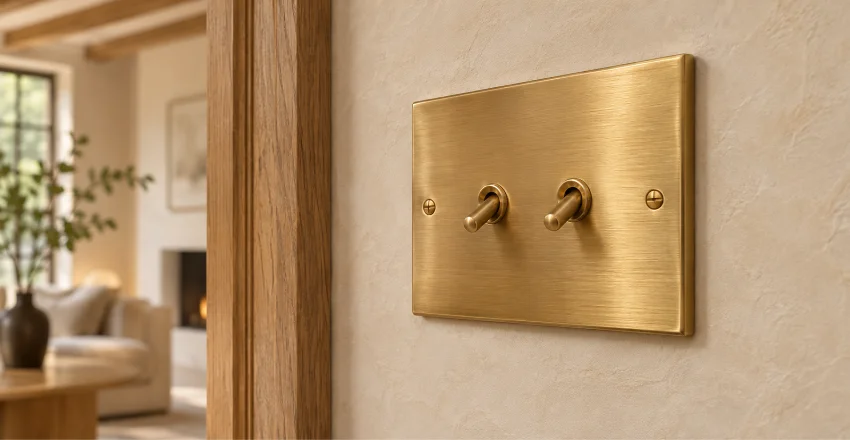
Start with the manufacturer’s cleaning instructions. Harsh chemicals or abrasive pads can damage a protected finish. A soft cloth is usually safer for routine dust and fingerprints. Unlacquered material needs a different mindset because natural color changes are expected. Some owners keep the patina because it gives the hardware character.
Others periodically polish the metal to restore a brighter appearance. Before using a metal polish, confirm that the surface is genuinely suitable. Products designed for raw brass may damage lacquer or other protective coatings. Testing an unseen area can reduce the risk of permanent marks.
Is a Brass Switch Worth the Extra Cost?
For a purely functional replacement, an ordinary plastic control costs less. Decorative metal makes more sense when the switch forms part of a considered interior scheme. The difference becomes noticeable in rooms with carefully chosen hardware and fixtures.
Our recommendation is to prioritize solid material for highly visible areas. Choose the correct electrical specification before spending extra on finish or detailing. A beautiful control that does not suit the wall box or wiring is the wrong purchase.
Budget-conscious homeowners can upgrade one room before replacing every switch. This approach also lets you see how the finish looks beside existing hardware. You can expand the same design later if it works.
Frequently Asked Questions
Is a brass light switch safe?
It can be safe when the complete product carries appropriate specifications and is installed correctly. Material appearance alone does not determine electrical safety. Check the manufacturer’s ratings, instructions, and relevant certification information before installation.
Does solid brass tarnish?
Raw or unlacquered brass changes color as it reacts with air, moisture, and handling. This change creates the patina many buyers specifically want. Lacquered or protected surfaces generally change less.
Can I use a brass dimmer with LED bulbs?
Only when the dimmer supports the installed LED lamps and electrical load. Incompatible combinations can cause flickering, poor dimming, or other performance problems. Review both the dimmer and bulb specifications.
Will a European switch fit a U.S. electrical box?
Not automatically. Box dimensions, spacing, mechanisms, and mounting systems can differ between markets. Buy a model specifically described as compatible with standard U.S. boxes.
Should all brass finishes in a room match?
Exact matching is optional. Similar color temperature and finish character usually matter more than perfect uniformity. Repeating the same finish family across several details can make the room feel connected.
Is unlacquered brass hard to maintain?
It requires acceptance of natural surface change rather than constant maintenance. Owners who like patina may only need gentle cleaning. Buyers wanting a fixed appearance may prefer a protected finish.
Make the Upgrade Part of the Whole Room
Start with electrical compatibility, then choose the material and finish that fit your room. This order prevents an attractive purchase from becoming an expensive installation problem. It also gives you a clearer way to compare products.
Coordinate visible switches with lighting, cabinet hardware, door hardware, and nearby outlets. You do not need identical pieces everywhere. A consistent visual direction usually matters more than exact matching.
NewsPrest covers renovation ideas and practical homeowner topics in its Home Improvement coverage. Review related guides before planning your next room upgrade. Small details can have a noticeable effect when they support the wider design.
