

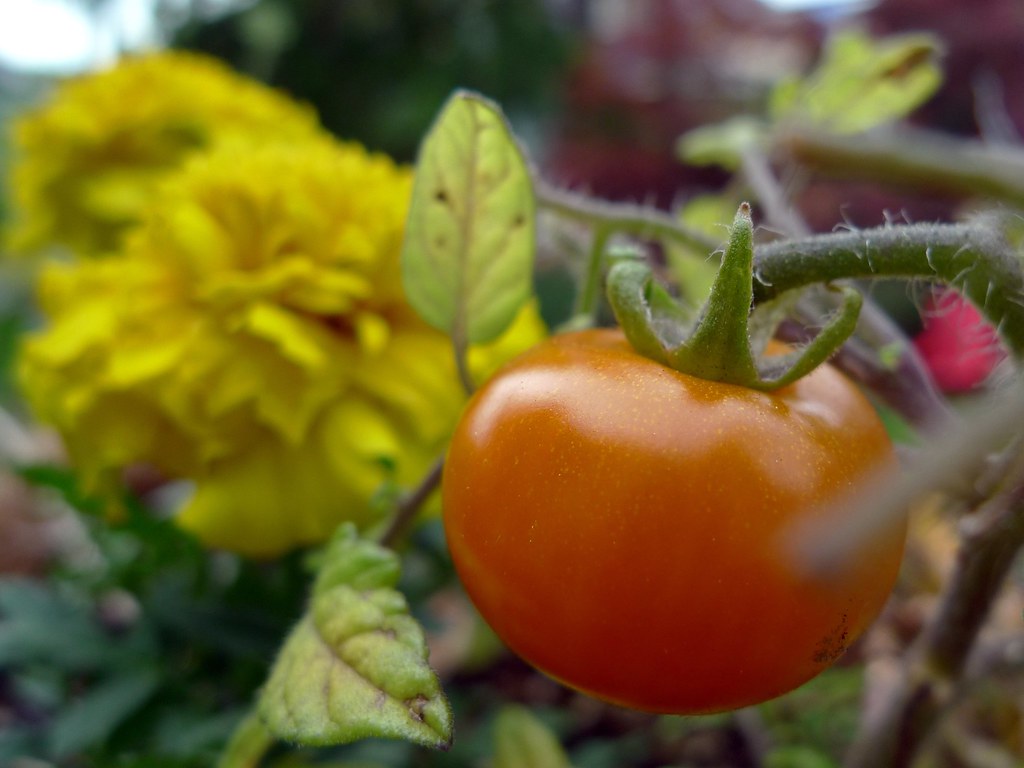
Tomato plants are a garden favorite for many home gardeners, but they can attract unwanted pests like aphids that threaten a healthy crop. Aphids are small, soft-bodied insects that feed on the sap of tomato plants, often clustering on stems, undersides of leaves, and new growth. These pests can cause yellowing, curling leaves, stunted growth, and even spread harmful plant viruses. Knowing how to get rid of aphids on tomato plants is essential to maintain a thriving garden and protect your harvest.
Identifying Aphids on Tomato Plants
Aphids are tiny—usually less than 1/8 inch long—and come in a variety of colors including green, black, yellow, and even pink. They tend to form large colonies on tender plant parts, secreting a sticky substance called honeydew that can encourage sooty mold growth. If you notice ants frequently visiting your tomato plants, that’s often a sign aphids are feeding; ants are attracted to the honeydew and sometimes protect aphids from predators.
Why It’s Important to Control Aphids Early
The longer aphids infest your tomato plants, the more damage they can inflict. Besides sucking vital nutrients, aphids transmit viruses that can severely weaken or kill your plants. Early control is crucial because aphids reproduce rapidly, with females giving birth to live young that mature quickly. A small aphid infestation can explode into a large problem in just a few days.
How to Get Rid of Aphids on Tomato Plants Naturally
There are several environmentally friendly and effective strategies you can use to manage aphid populations without resorting to harsh chemicals. Implementing integrated pest management will protect beneficial insects and keep your garden ecosystem balanced.
1. Introduce Beneficial Insects
Ladybugs, lacewings, and parasitic wasps are natural predators of aphids. You can purchase these beneficial insects from garden supply stores and release them near infested tomato plants. These predators will actively hunt and reduce aphid numbers while leaving your plants unharmed.
2. Blast Aphids Off with Water
Often, a strong spray of water from your garden hose can dislodge aphids from your tomato plants. Focus on the undersides of leaves and affected stems. This method is simple and chemical-free but may need to be repeated every few days to keep aphid populations in check.
3. Use Homemade Insecticidal Soap Spray
Insecticidal soaps suffocate aphids without harming plants when used correctly. You can make your own by mixing one tablespoon of mild liquid dish soap with one quart of water. Spray the solution on all affected areas of the tomato plant, making sure to cover aphids thoroughly. Avoid applying during the heat of the day to prevent leaf burn. Also worth reading: Building a Stronger Digital Footprint.
4. Apply Neem Oil
Neem oil is a natural pesticide derived from the neem tree. It interferes with aphids’ feeding and reproductive cycles. Dilute neem oil according to package instructions and spray the tomato plants weekly until the infestation subsides.
5. Encourage Companion Planting
Certain plants repel aphids or attract their predators. Marigolds, nasturtiums, and garlic planted nearby your tomato plants can help deter aphids naturally. Additionally, growing herbs like dill and fennel may lure beneficial insects into your garden.
Additional Tips for Aphid Prevention on Tomato Plants
- Inspect plants regularly: Catch infestations early by checking your tomato plants at least twice a week.
- Prune heavily infested areas: Removing severely damaged leaves and stems can slow the spread of aphids.
- Keep plants healthy: Well-watered and fertilized tomato plants can better withstand pest attacks.
- Avoid excessive nitrogen fertilizer: Too much nitrogen encourages lush growth that aphids love.
- Remove weeds: Many weeds can host aphids and other pests.
When to Use Chemical Controls
If natural methods aren’t sufficient and aphid populations continue to damage your tomato plants, you may consider targeted insecticides. Look for products labeled safe for edible plants and follow the directions carefully. Always try to opt for products with minimal environmental impact and avoid use during bloom to protect pollinators.
Conclusion
Understanding how to get rid of aphids on tomato plants is vital for any gardener aiming for a healthy and productive tomato harvest. By regularly inspecting your plants and using a combination of natural approaches—like encouraging beneficial insects, blasting aphids with water, and applying insecticidal soaps or neem oil—you can protect your tomatoes from these persistent pests. Prevention, early detection, and integrated pest management are the keys to keeping aphids under control and ensuring your tomato plants thrive season after season.
Please visit our ” Food ” category.
